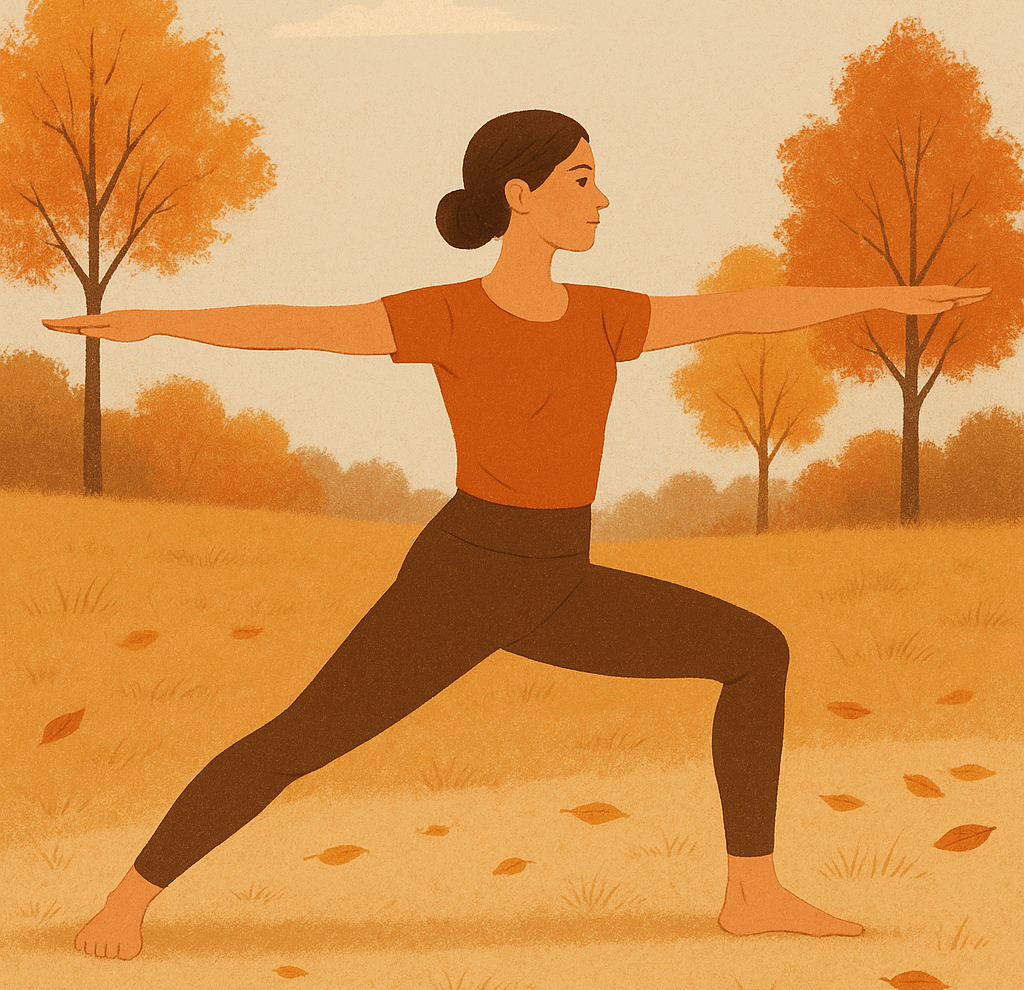
At first glance, many children seem carefree. Yet, in their small worlds, things sometimes happen that are too overwhelming, move too fast, or place too heavy a burden on them: emotional crises, family separations, social anxieties, illnesses—or even a cancer diagnosis. In such moments, they need not only medical care or someone to talk to, but also a safe space where they can experience healing in a different way.
Trauma-sensitive yoga can offer exactly that: a space where the body becomes a friend again, where there is room for feelings—and where the child gently finds their way back to their own inner strength.
© Africa Studio/AdobeStock
What is traumasensitive yoga?
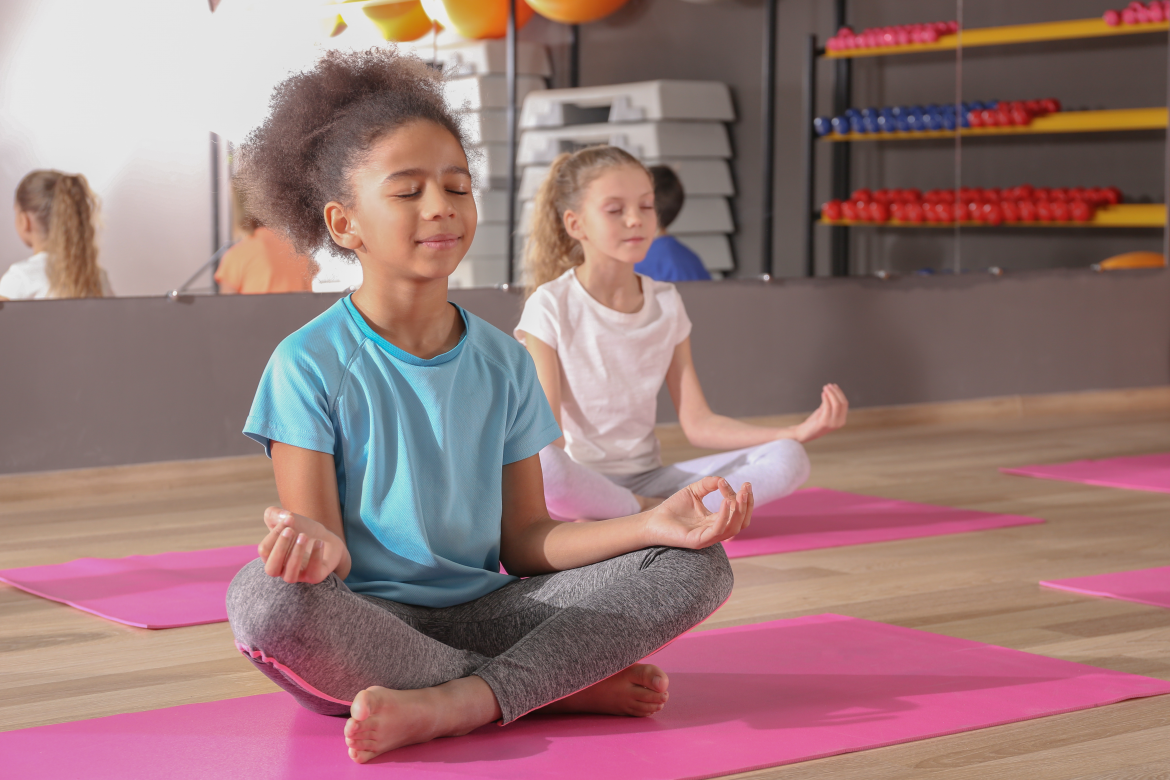
Trauma-sensitive yoga is a particularly mindful and body-oriented form of yoga therapy that is tailored to the needs of children and young people with stressful experiences or trauma. The focus is on safety, stabilization and self-awareness – and on giving the child positive access to their own body again.
This form of support is particularly beneficial for children facing severe emotional distress or battling an illness such as cancer. In my work as a yoga therapist, I combine elements of bodywork, mindfulness practice, and modern approaches to trauma therapy to provide children with individualized support.
Why children respond so well to it
Children do not process difficult experiences primarily through language, but rather through the body. When the nervous system is overwhelmed by stress or trauma, symptoms often arise such as:
- sleep disturbances
- restlessness or withdrawal
- outbursts of anger or fears
- concentration problems
- physical complaints with no medical findings
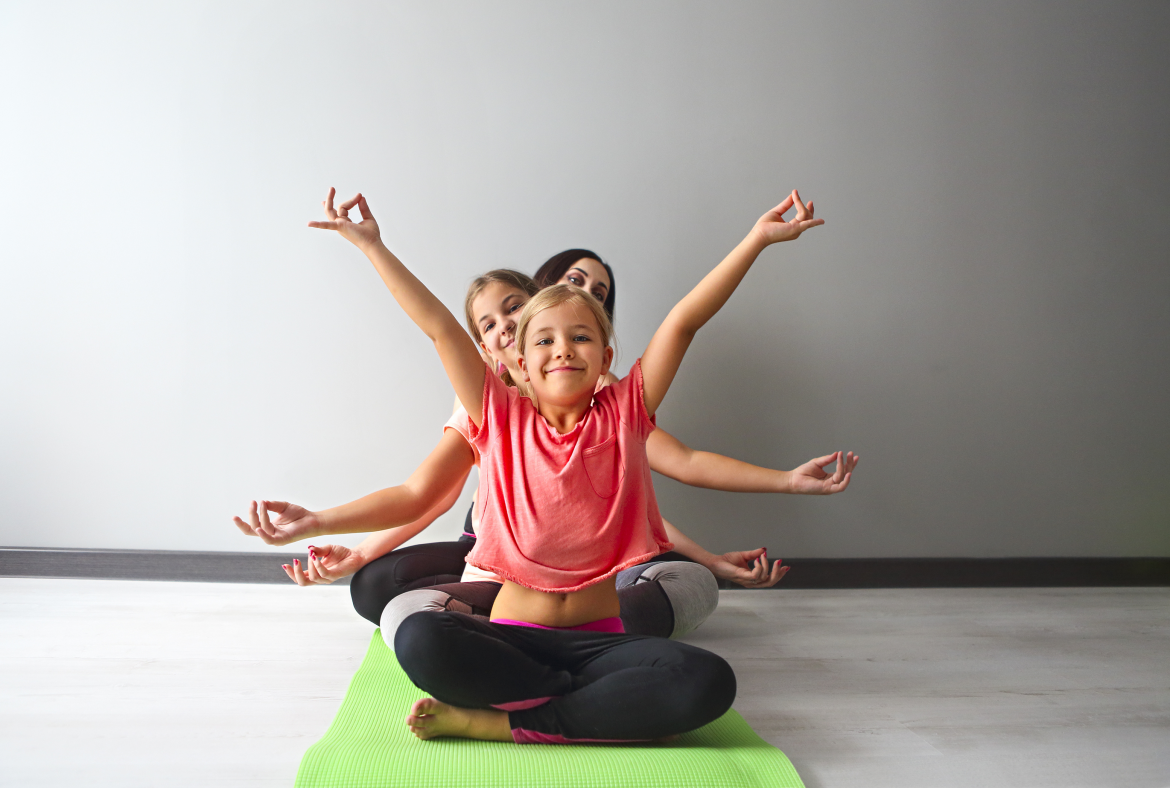
Traumasensitive yoga offers a valuable way to calm the nervous system, build inner stability, and foster self-regulation—entirely without words. Children rediscover:
🧡 I am safe.
🧡 I am allowed to feel.
🧡 I can make a difference.
© Dasha Petrenko/AdobeStock
Yoga therapy for cancer: A special focus
Children with cancer often face a dual challenge: the physical strain of treatments and the psychological burden caused by fear, pain, isolation, or a loss of control.
Yoga therapy can be helpful at all stages of the illness—whether during treatment or in aftercare. The goal is to gently support the children, help them access their inner resources, and strengthen them on both physical and emotional levels.
👉 Studies show that yoga can reduce anxiety and pain, boost emotional well-being, and improve sleep quality in children with cancer (Moody et al., 2018; Thygeson et al., 2010).
What does a traumasensitive yoga class look like?
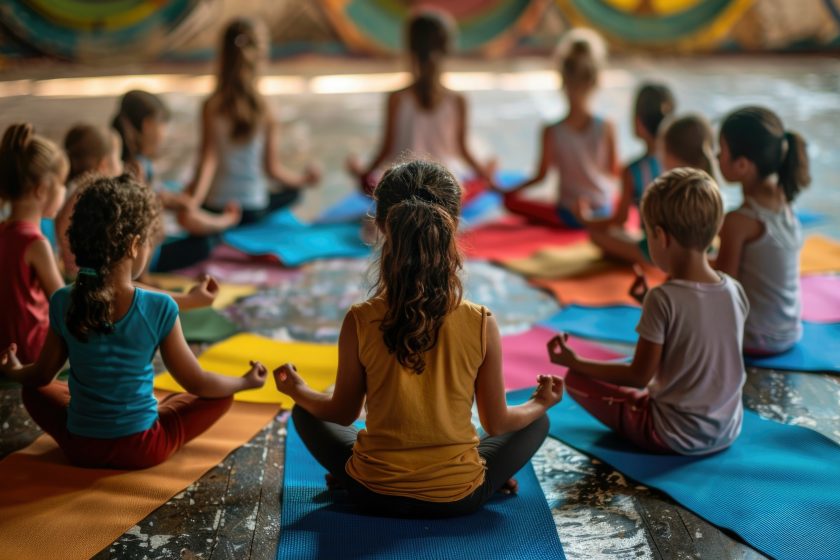
Trauma-sensitive yoga is not a “classic” yoga class. There are no strict instructions, no corrections, and no pressure to perform. Instead, the child can expect:
- gentle movements, adapted to the individual’s physical condition
- simple breathing exercises to calm the nervous system
- clear, recurring structures that provide orientation
- moments of calm, imagination, and playful mindfulness
- plenty of scope for self-determination and a child-friendly environment
In yoga therapy, I also work in one-on-one sessions upon request—particularly with sensitive children or in situations involving medical challenges. The child—and what they need at that moment—is always the focus.
@ Intelligent Horizons/AdobeStock
What children learn through yoga
Many parents report after a few weeks that their child:
- sleeps more peacefully
- handles stress or emotions better
- feels more self-confident and balanced
- shows more zest for life again
- discovered a new sense of mobility and joy in the body
These positive effects arise not from “techniques,” but from the safe, mindful space created by trauma-sensitive yoga—guided by an experienced yoga therapist who sees the child as an individual.
Wenn Kinder nicht still sitzen wollen – kein Problem
Many parents ask themselves: “My child is so restless – can he or she even do yoga?” The answer is: just then!
After all, trauma-sensitive yoga is lively, creative, and child-friendly. No child is required to meditate or sit still. They are free to move, listen, and experiment—without pressure, and with joy and curiosity.
Traumasensitive yoga is a powerful path
This form of yoga therapy is not a substitute for medical or psychotherapeutic care—but a powerful complement. It works where words fail. Where the nervous system needs support. And where the child can feel:
“I am safe. I am allowed to be. I am strong.”
Whether following distressing experiences or while coping with an illness like cancer, trauma-sensitive yoga can help children regain their inner stability—and the courage to trust themselves again.
Conclusion: Mindful bodywork as part of trauma therapy
In my work as a yoga therapist specializing in traumasensitive yoga and trauma therapy, I repeatedly witness the profound impact of this form of support—not through words, but through loving presence, bodywork, and the experience of self-efficacy.
In difficult times, yoga can be a lifeline for children—and one with lasting effects.
Studies and Sources::
- Moody, K. et al. (2018). *Yoga for children with cancer: A pilot study*. Journal of Pediatric Oncology Nursing.
- Thygeson, M. et al. (2010). *Peaceful Play Yoga: Serenity and resilience for children with cancer*.
- van der Kolk, B. (2015). *The Body Keeps the Score*.
- Khalsa, S.B.S. et al. (2016). *Yoga in mental health and trauma recovery in youth*. Harvard Medical School.