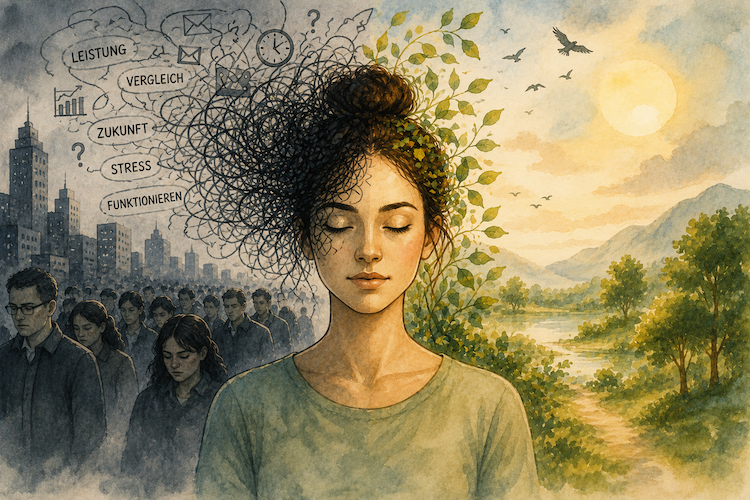
Depression is one of the major health issues facing adolescents worldwide. Around one-third of all teenagers are at risk of developing depression—often with serious consequences for their mental health, academic performance, and social lives. Since medication and conventional psychotherapy do not always provide sufficient relief or are difficult for many young people to access, researchers are seeking alternative, holistic approaches.
A recent study from China has investigated which mind-body therapies (MBTs) are most effective against depression in adolescents. These include methods such as yoga, dance therapy, Tai Chi, and mindfulness training.
How was the study conducted?
The research team reviewed data from five major scientific databases up to January 2024. In total, nine randomized controlled trials involving 955 adolescents who had tried various forms of mind-body therapy were evaluated.
The participants suffered from mild to moderate depressive symptoms. Researchers examined how their mood changed after several weeks of the respective method—compared to control groups that received only standard care or engaged in leisure activities.
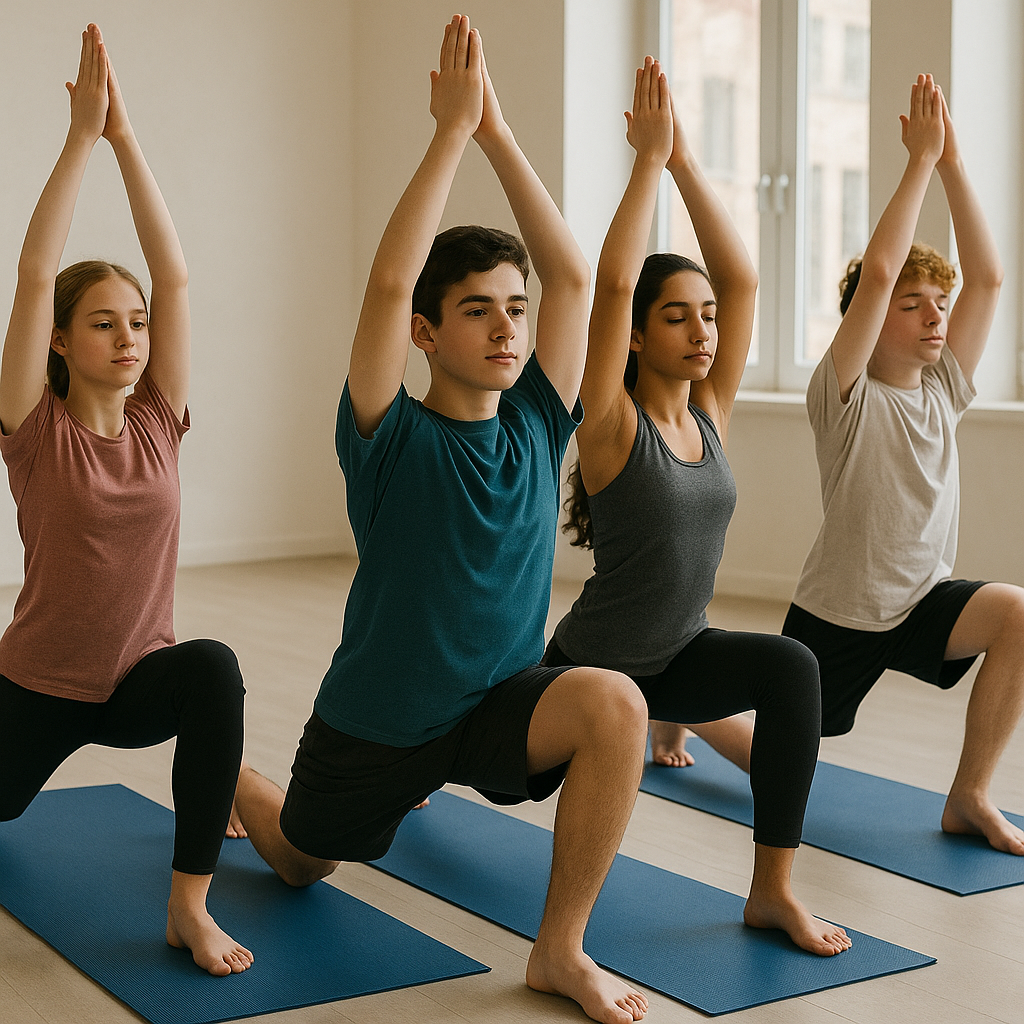
The result: Yoga has the strongest effect
According to the so-called SUCRA ranking, which compares the effectiveness of various approaches, the following methods performed best:
- Yoga – 82.2% efficacy
- Dance therapy – 77.5%
- Tai Chi – 64.9 %
All three methods improved depressive symptoms significantly more than standard treatment alone or relaxation exercises. Yoga was the most effective intervention.
Why is yoga so effective?
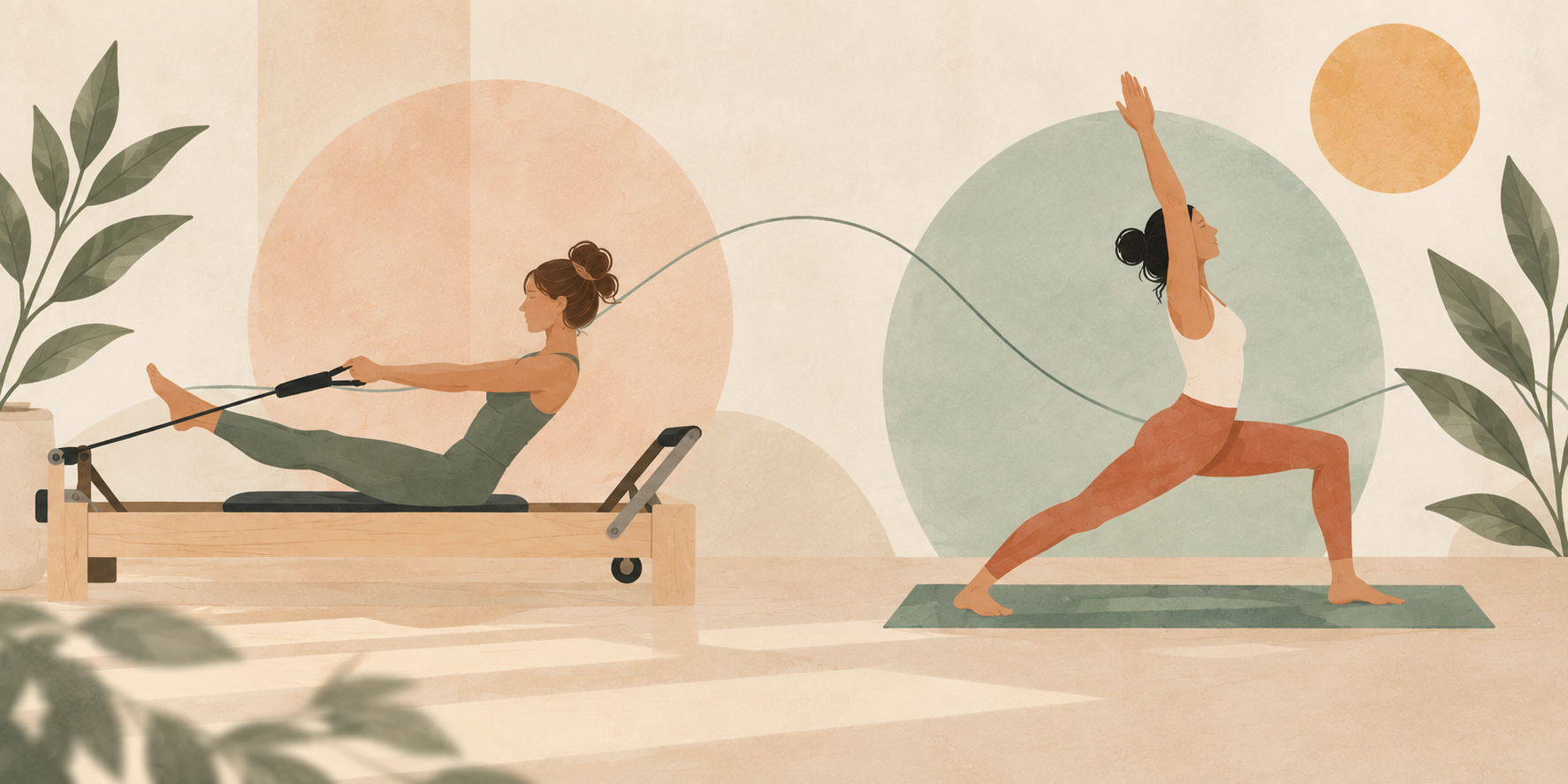
Yoga combines physical postures, breathing techniques, and mindfulness. This combination has a positive effect on the stress response system, hormonal balance, and self-awareness. Studies show that yoga influences the release of dopamine and endorphins—chemical messengers associated with motivation and well-being.
In addition, yoga can calm the autonomic nervous system and reduce the activity of the so-called HPA axis (stress axis). Regular practice thus improves the ability to cope with negative emotions and strengthens the sense of inner calm and control.
Dance therapy: Movement and connection
Dance therapy uses music, rhythm, and movement to express emotions and foster social bonds. Movement releases “happiness hormones” such as endorphins and oxytocin. For young people in particular, dancing can be a liberating experience that builds a sense of community—thereby helping to combat loneliness and low moods.
Tai Chi: Gentle power from stillness
Tai Chi—a traditional Chinese form of movement—also demonstrated significant effects. The calm, fluid movements, combined with conscious breathing, help reduce stress, focus attention, and enhance body awareness. This improves emotional self-regulation, a key factor in depression.
What do the results mean?
This meta-analysis offers an important insight: mind-body therapies can be a valuable complement to conventional forms of treatment. Yoga, in particular, appears to be most beneficial for adolescents with depression—it is inexpensive, easily accessible, and free of side effects.
However, the number of studies was still small, and many investigations were of short duration. Therefore, the results should be viewed as promising but preliminary. Further research is needed to determine the optimal frequency and intensity of the exercises and how long-term effects develop.
Conclusion
The study shows that holistic practices such as yoga, dance, or tai chi can help young people alleviate depression and strengthen their emotional balance. Yoga, in particular, stands out—not merely as physical exercise, but as a path to greater self-awareness, inner calm, and zest for life.
(Source: Luo S., Mei Z., Fang G., Mu G., Zhang X., & Luo S. (2024). Effects of mind–body therapies on depression among adolescents: A systematic review and network meta-analysis. Frontiers in Public Health, 12, 1431062. https://doi.org/10.3389/fpubh.2024.1431062)