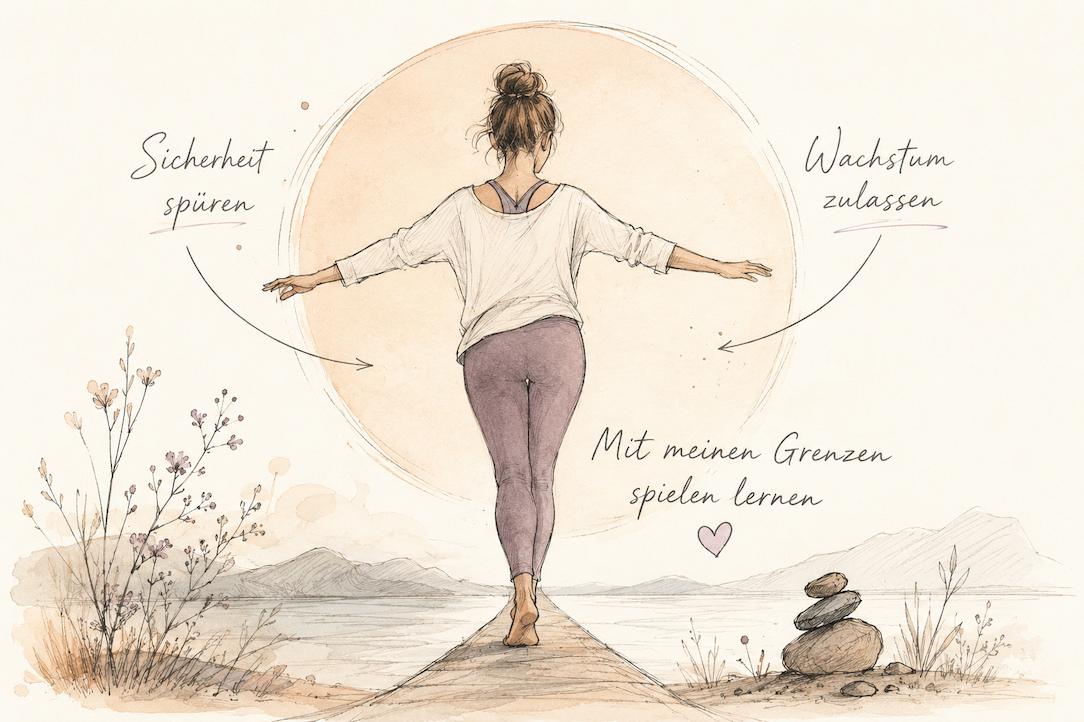
Impressions from the German Depression League’s thematic day
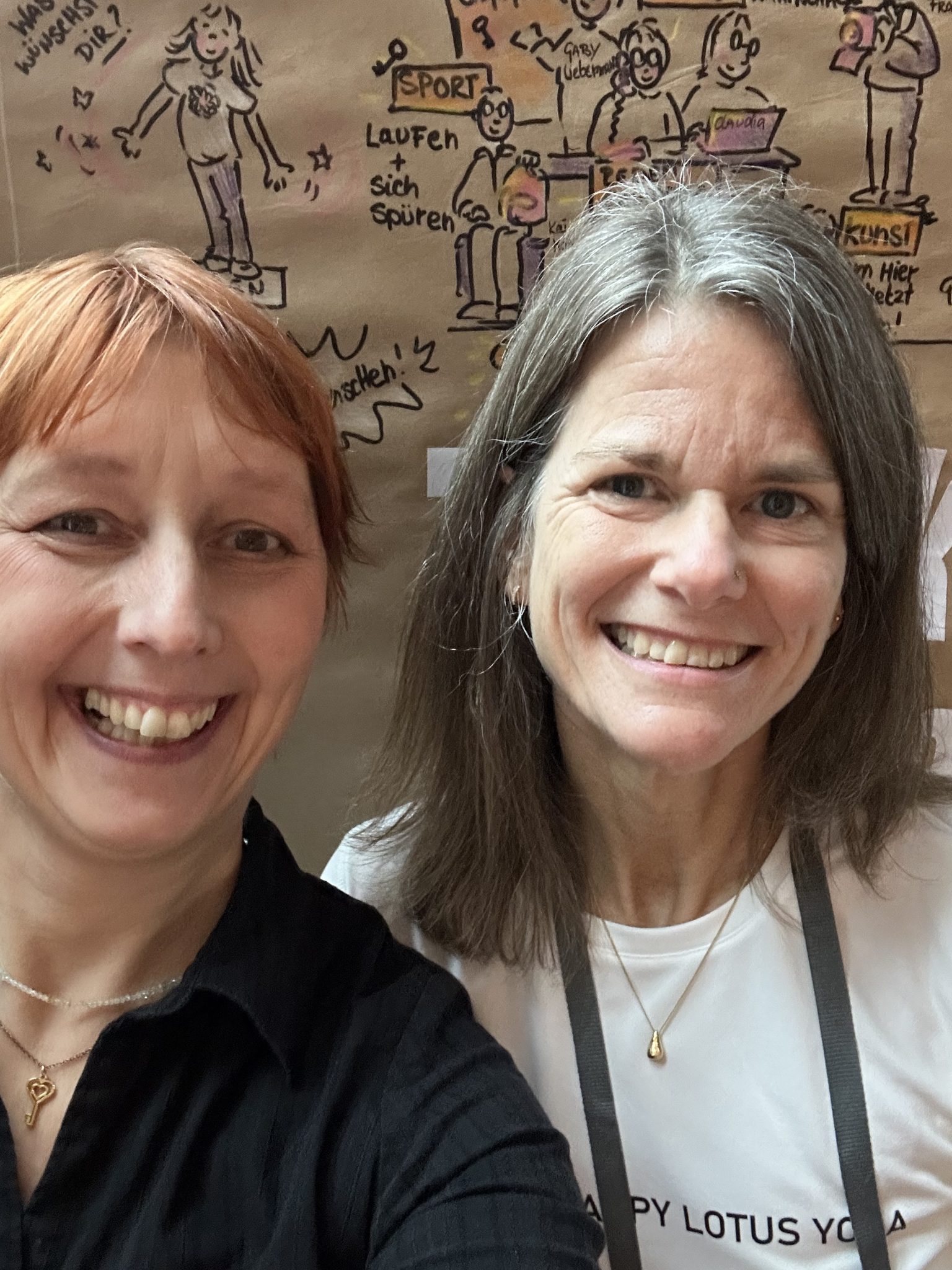
On October 25th, I attended the “Depression” themed day organized by the German Depression League. It was a day spent with over 200 people who feel connected to the topic in various ways: those personally affected, family members, therapists, doctors, counselors, and members of self-help groups. A diverse mix—and that is precisely what made the day so special.
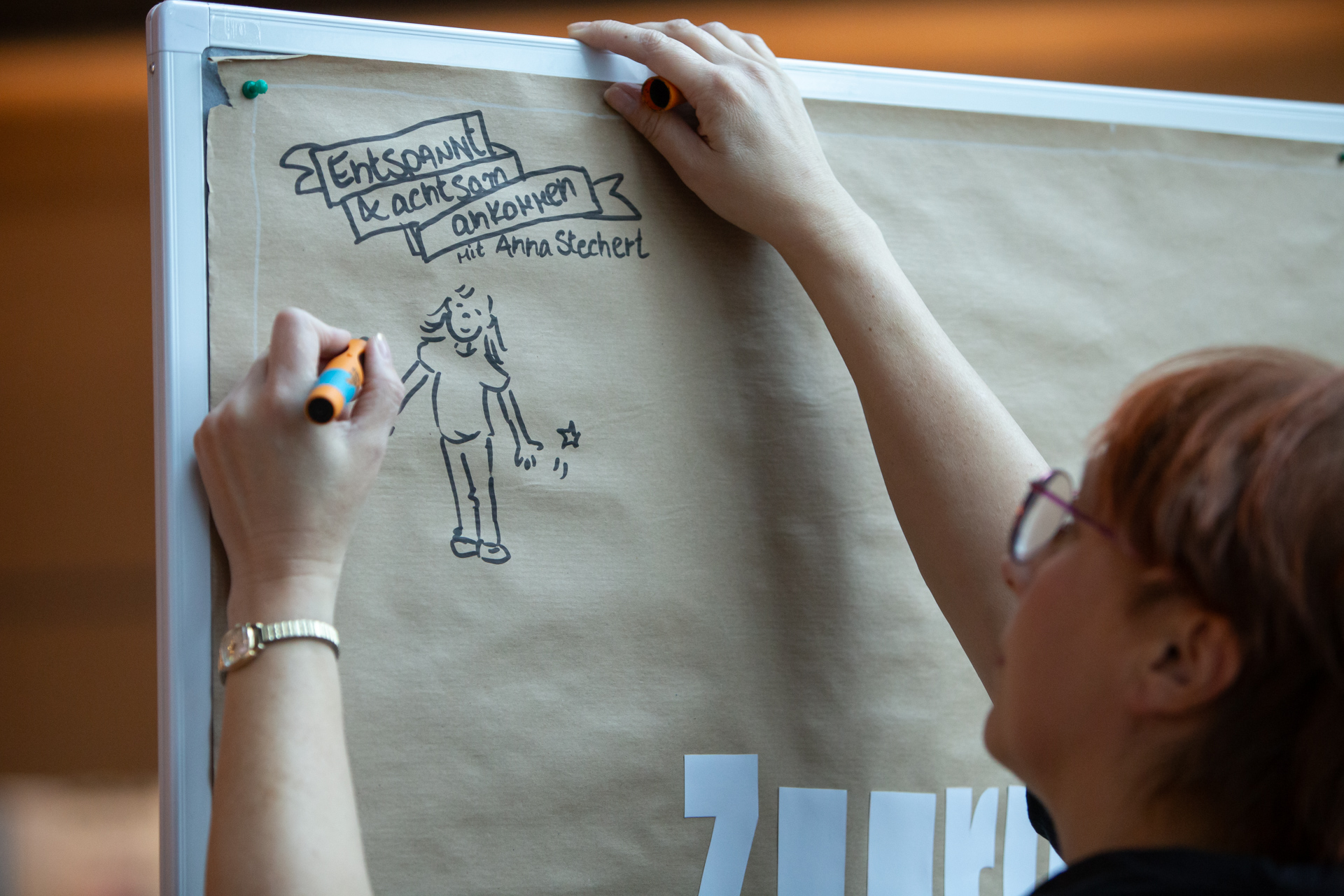
I had the opportunity to facilitate the opening and help the participants settle in. That meant taking a few minutes to notice how one was sitting there in the moment—how the breath was moving, whether there was any tension, and whether one felt nervous or calm, tired or awake. No techniques, no pressure to do things “right”—just a brief moment of connecting with oneself.
Many said later that it helped to truly be present before moving on to presentations and discussions. I often find that people want to attend to their bodies only “later”—yet that very first moment is often crucial for being able to open up in the first place.
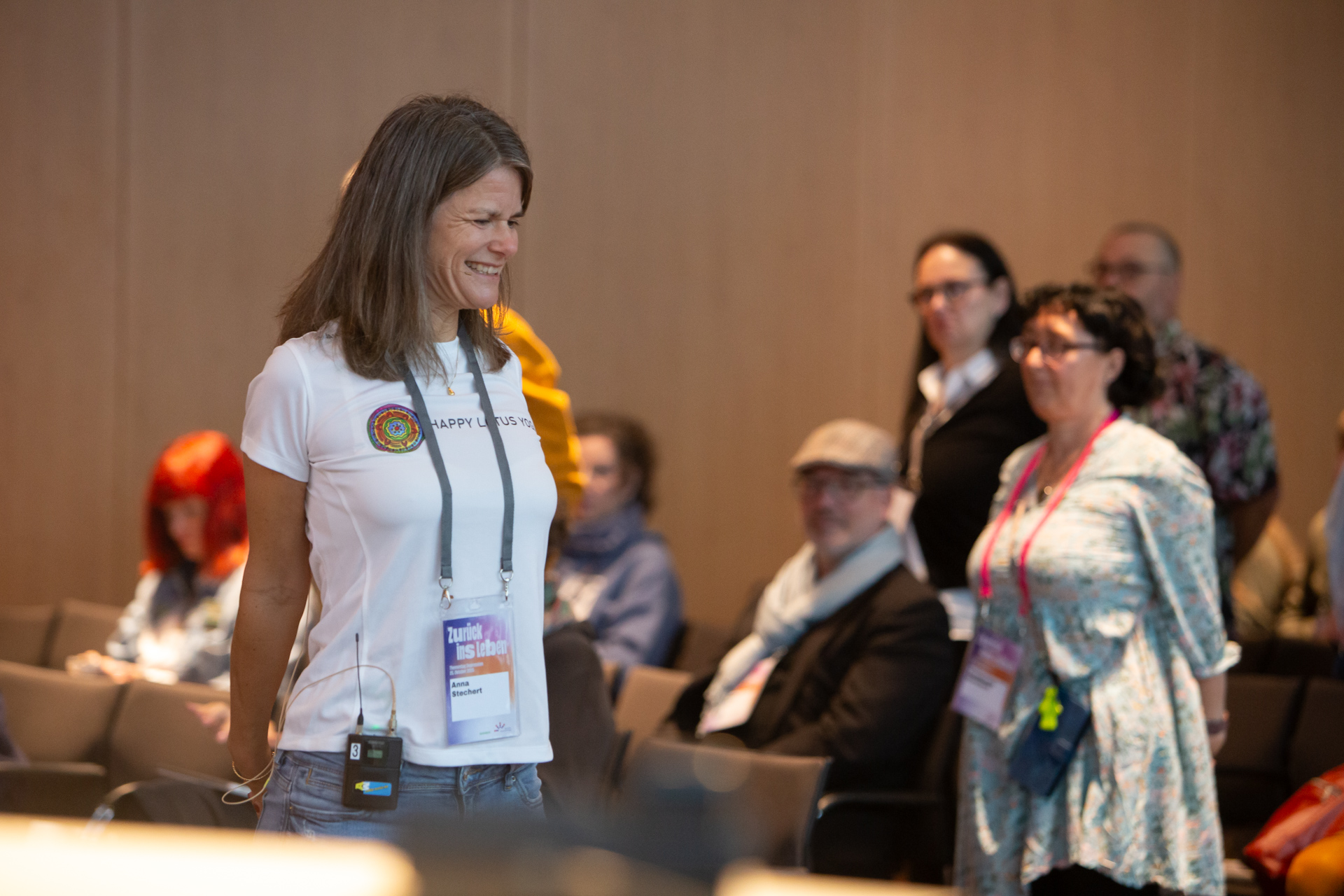
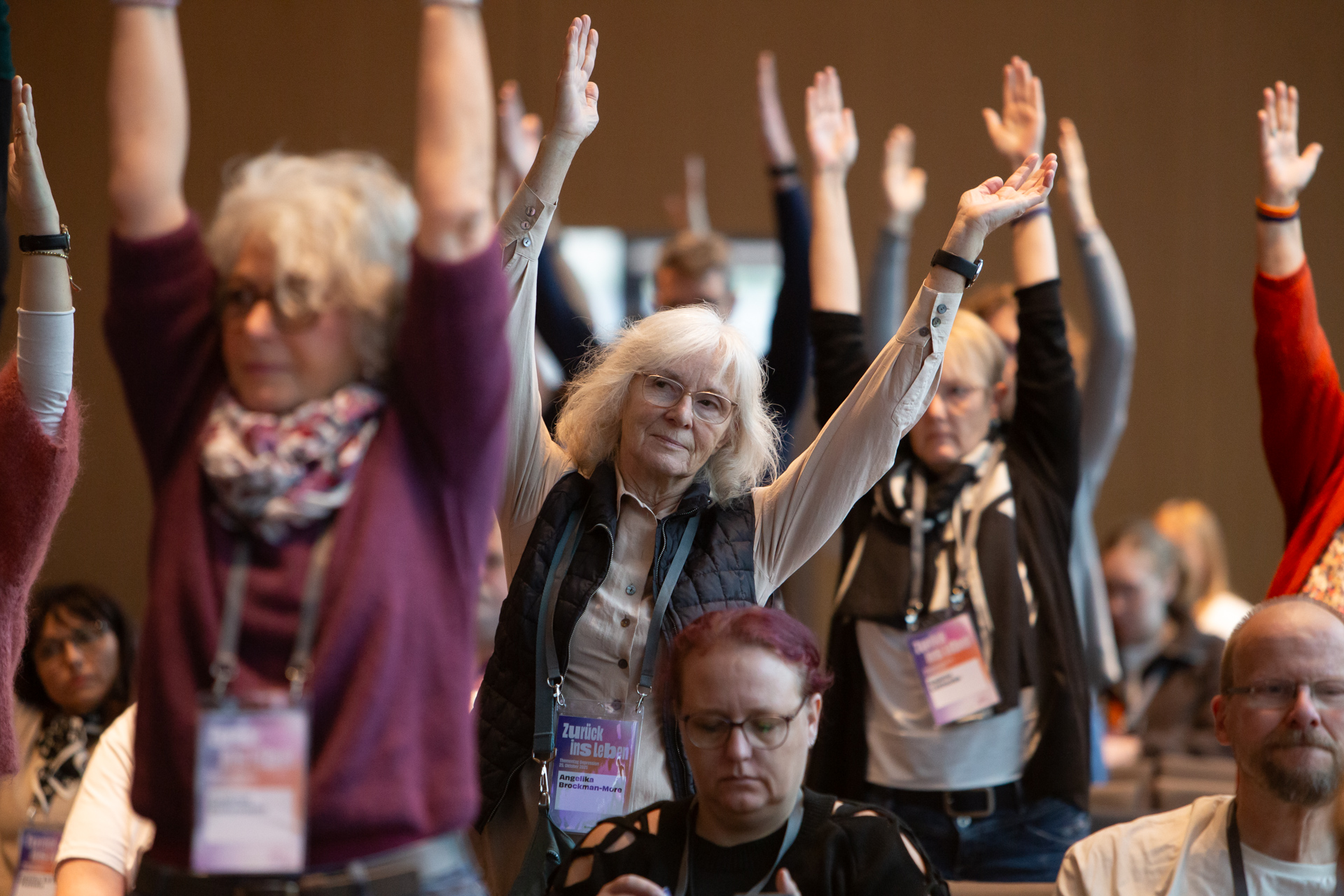
Later that day, I led a session on trauma-sensitive yoga. We performed simple movements—with options available—at a pace that didn’t rush anyone. The goal wasn’t relaxation or performance, but rather sensing:
Where am I right now?
What feels good?
What is too much?
And here, I was once again struck by how important bodywork is in supporting those with depression—and how little space it is often given.



When it comes to depression, we talk a lot about thoughts, behavior, and feelings—about internal patterns, burdens, and the search for meaning. And all of that is entirely valid.
But depression also manifests physically:
- in the breath, which becomes shallower,
- in shoulders that pull inwards,
- in movements that are becoming less frequent,
- in a form of “inner withdrawal” that is often visible on her.
If we speak only about the psyche, part of the picture is missing.
That does not mean that yoga or bodywork are “the solution.” But they are an important gateway—especially when words are hard to find or there is little left to feel.
Bodywork can help,
- to re-establish contact
- finding one’s bearings at the moment,
- and to slowly reorder one’s own perception.
Often, something very small is enough:
consciously feeling your feet on the ground,
placing a hand on your chest,
or taking one slow, deep breath out.
It is not about becoming “active.”
Rather, it is about finding a home in the body again.
The themed day showed me just how great the interest is—and, at the same time, that there is still a need for education. I want to continue helping to make bodywork a natural part of depression support—not as an additional task, but as a way to get a little closer to oneself again.
It was wonderful to be part of this day.
And it reinforced my resolve to keep this topic visible.